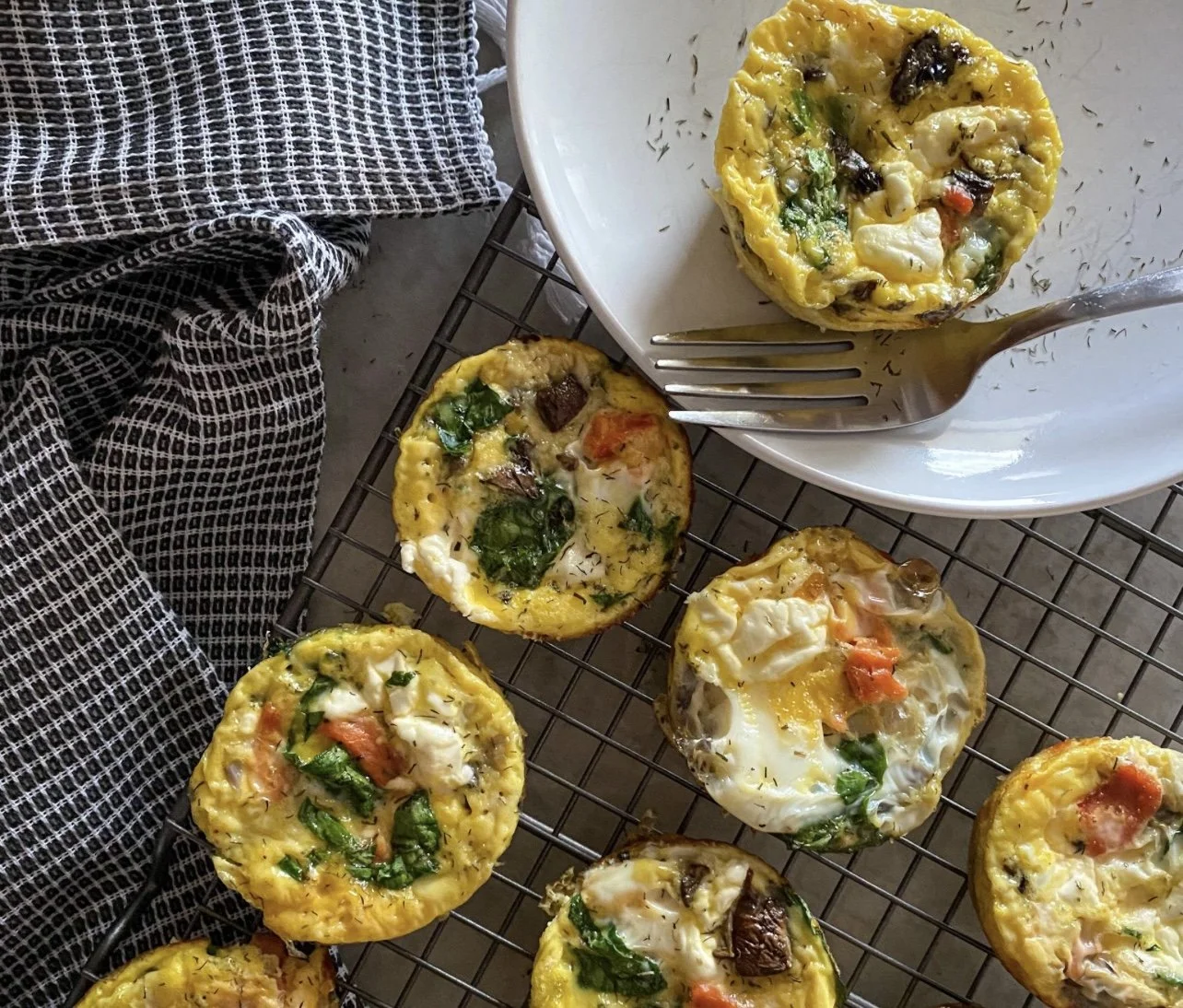
The Protein Gap in Women: Why 60g Isn’t Enough
“The body thrives on what it receives consistently, not occasionally—protein is no exception.”
Many women assume that 60 grams of protein per day is sufficient—but research tells a different story. For optimal muscle preservation, metabolic health, postpartum recovery, and perimenopause support, women often need more—and the timing and distribution of protein matters just as much as the total amount.
As women age or move through life stages like postpartum recovery and perimenopause, muscle mass naturally declines, and metabolism slows. Insufficient protein accelerates this process, contributing to fatigue, slower recovery, and increased fat storage. Protein is not just about building muscle; it’s critical for maintaining metabolic flexibility, hormonal balance, and overall resilience.
One key concept is the leucine threshold. Leucine is a branched-chain amino acid that triggers muscle protein synthesis. Women generally need around 2.5–3 grams of leucine per meal, which translates to roughly 20–30 grams of high-quality protein, depending on the source. Consuming most of your protein in one meal, as many do with breakfast or lunch, is far less effective than spreading it across the day. Three balanced, protein-forward meals ensure your body consistently stimulates muscle repair and metabolism, rather than leaving long gaps where muscle breakdown predominates.
This is where structured meal planning becomes essential. Meals designed to meet leucine thresholds and protein targets—think nutrient-dense chicken or fish bowls, lentil and egg scrambles, or creamy protein-rich smoothies—provide not just adequate total protein but the right distribution. For postpartum women, these meals support recovery and energy, while for women approaching perimenopause, they help counteract hormonal shifts and maintain lean mass.
Ultimately, protein isn’t a numbers game—it’s a metabolic tool. Skipping or skimping leaves a gap that affects energy, body composition, and long-term health. Prioritizing protein strategically across the day isn’t indulgent; it’s essential self-care for every stage of womanhood.
Mini Salmon & Egg Protein Bites
Servings: 6 bites
Protein: ~8–10g per bite
Ingredients:
3 hard-boiled eggs, chopped
½ cup canned wild salmon, drained and flaked
1 tbsp dairy-free kefir yogurt
1 tsp Dijon mustard
1 egg yolk (from 1 extra boiled egg or raw)
Optional: 1 tsp fresh dill or chives, salt & pepper
Instructions:
Finely chop the eggs and salmon. The smaller the pieces, the easier the bites will stick.
Mix with, Dijon mustard, egg yolk, and herbs. Stir until fully combined into a slightly sticky mixture.
Form into 6 small bites or press into mini silicone muffin molds for extra stability.
Chill in the refrigerator for 15–30 minutes before serving.
Tips for Success:
Chill before serving – keeps the bites firm.
Transport safely – use a small airtight container with parchment paper between layers.
Optional binder swaps: If you don’t want egg yolk, 1 tsp flax meal + 2 tsp water or chia meal + water can work too.
Why it works:
The egg yolk + chia combination acts as a binder, keeping the protein-rich bites firm without adding flour, nuts, or grains. Perfect for a postpartum snack or perimenopause-friendly protein boost.