
Gluten, Dairy, and Seed Oils: Not “Bad Foods,” But Problematic in a Modern Context
Context matters in nutrition. A food’s impact is shaped not only by what it is, but by how it’s grown, processed, combined, and metabolized in the body.
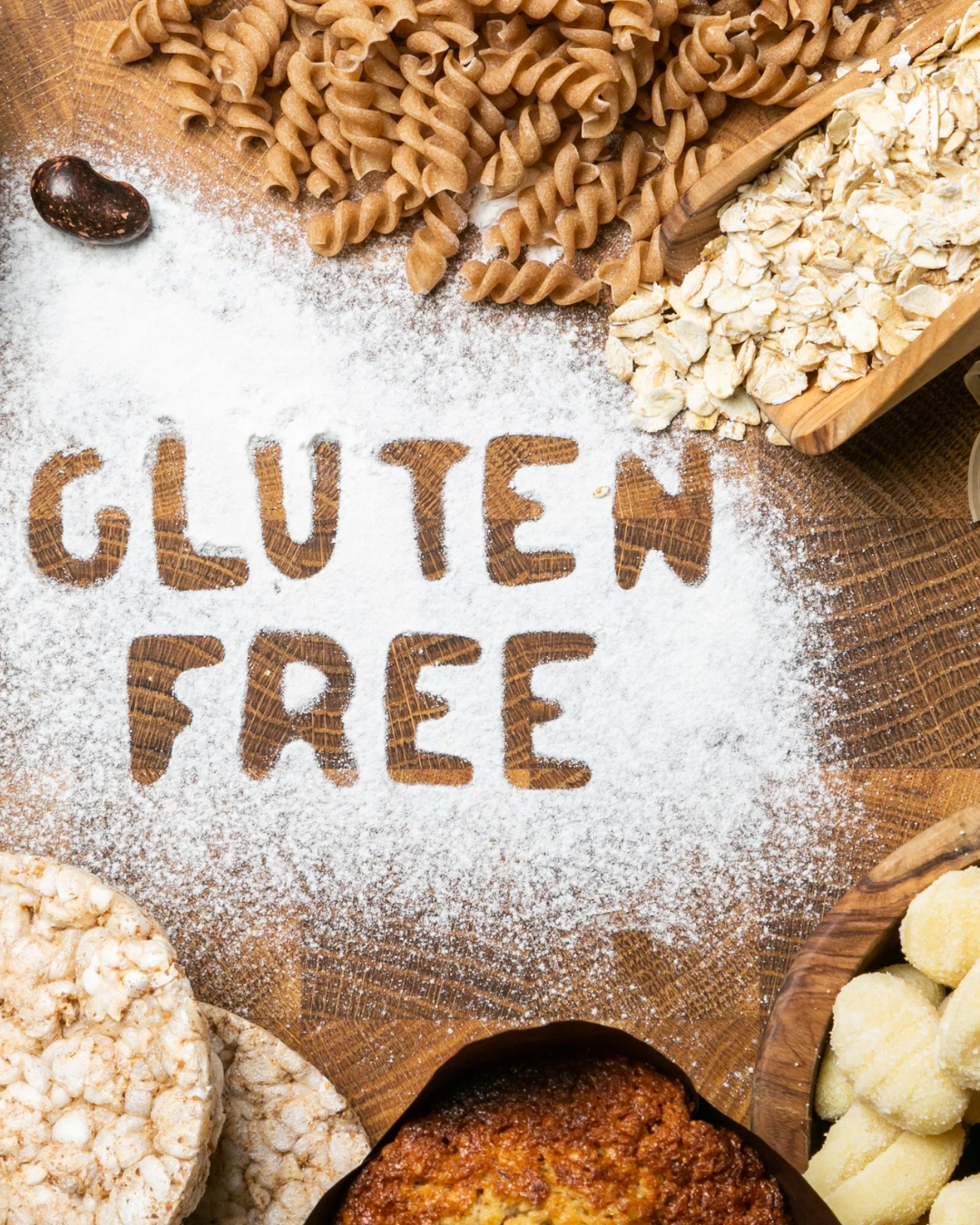
At Mountain Wellness Kitchen, we don’t label foods as inherently “good” or “bad.” That kind of binary thinking rarely reflects biological reality. Gluten, dairy, and seed oils are prime examples—not because they are universally harmful, but because their modern forms interact very differently with today’s bodies than they once did.
Historically, gluten-containing grains were stone-ground, slowly fermented, and eaten in smaller quantities. Today, wheat is highly refined, bred for higher gluten content, and consumed multiple times per day. For individuals with compromised gut integrity—whether from chronic stress, antibiotic exposure, ultra-processed diets, or inflammation—this can increase intestinal permeability and immune reactivity. For some, that’s no issue. For others, it becomes a problem.
Dairy follows a similar pattern. Traditional dairy was raw or gently cultured, rich in enzymes and beneficial bacteria. Modern dairy is typically pasteurized at high temperatures, homogenized, and stripped of much of its original structure. Lactose intolerance, casein sensitivity, and inflammatory responses are less about dairy itself and more about digestion capacity and processing methods. Again, context is key.
Seed oils are perhaps the most misunderstood. Extracted through high heat and chemical solvents, refined seed oils are high in omega-6 fatty acids. In isolation, omega-6 fats are not harmful—but excessive intake without sufficient omega-3 balance can promote chronic inflammation. When seed oils dominate the diet through restaurant foods, packaged snacks, and industrial cooking, cumulative exposure becomes the issue.
The common thread here is not fear—it’s load. Modern bodies are navigating more inputs, more stressors, and more inflammatory signals than ever before. What one person tolerates well, another may not, depending on gut health, genetics, metabolic flexibility, and overall lifestyle.
This is why, at Mountain Wellness Kitchen, we default to removing gluten, dairy, and seed oils—not as a moral stance, but as a physiological reset. It reduces inflammatory noise, simplifies digestion, and gives the body space to recalibrate.
From there, foods can be thoughtfully reintroduced—or not—based on how your body responds. That’s not restriction. That’s informed nourishment.
Crispy Salmon Bowls with Lemon-Herb Tahini Drizzle
Gluten-free, dairy-free, seed-oil-free
These bowls are a perfect example of how removing inflammatory inputs doesn’t mean sacrificing flavor, texture, or satisfaction. They rely on whole-food fats, high-quality protein, and bright acids to support digestion and metabolic balance.
Why it works
Wild salmon provides omega-3 fatty acids to counter modern inflammatory load, while olive oil and tahini replace refined seed oils with stable, nutrient-dense fats. The result is a meal that feels indulgent but supports gut and hormonal health.
Ingredients (Serves 2–3)
Salmon
500 g wild salmon fillets
1½ tbsp extra-virgin olive oil
Zest of 1 lemon
1 tsp sea salt
½ tsp smoked paprika
½ tsp garlic powder
Roasted Veg Base
2 cups sweet potato, cubed
1 cup broccoli florets
1 tbsp olive oil
Sea salt to taste
Lemon-Herb Tahini Drizzle
¼ cup tahini
Juice of ½–1 lemon (to taste)
1 small garlic clove, finely grated
2–4 tbsp warm water (to thin)
Pinch sea salt
Fresh parsley or dill, finely chopped
To Serve (Optional but Trendy)
Sauerkraut or fermented carrots
Sliced cucumber
Microgreens or fresh herbs
Instructions
Roast the vegetables:
Preheat oven to 200°C (400°F). Toss sweet potatoes and broccoli with olive oil and salt. Roast for 25–30 minutes, flipping once, until caramelized and tender.
Prepare the salmon:
Pat salmon dry. Rub with olive oil, lemon zest, salt, paprika, and garlic powder. Add to the oven for the final 12–15 minutes, or pan-sear skin-side down until crispy.
Make the tahini drizzle:
Whisk tahini, lemon juice, garlic, salt, and warm water until smooth and pourable. Stir in fresh herbs.
Assemble:
Layer roasted vegetables in bowls, top with salmon, drizzle generously with tahini sauce, and finish with fermented veggies and greens.