Postpartum Meal Plan: Why Nourishment Matters More Than Losing Baby Weight
In the fragile weeks after birth, when sleep is fragmented and hormones feel unpredictable, many mothers hear the same question: “When are you going to lose the baby weight?” The cultural pressure to shrink quickly is loud, but biologically, it is misplaced.
Your body is not trying to become smaller right now! It is trying to repair tissue, recalibrate hormones, restore blood volume, stabilize mood, and — if you are breastfeeding God willing — produce nutrient-rich milk. Weight loss is not the primary objective of the postpartum phase — recovery is.
If you want structured support during recovery, explore the Mountain Wellness Kitchen Postpartum Meal Plan here.
A properly structured postpartum meal plan prioritizes nourishment first. When healing is supported, weight normalization tends to follow naturally, without aggressive dieting or metabolic disruption.
Postpartum Recovery Is a Physiological Rebuild
Pregnancy and childbirth — whether vaginal or surgical — create measurable metabolic demand. Blood loss depletes iron stores, connective tissue stretches and requires amino acids for repair, hormones such as estrogen and progesterone plummet rapidly after delivery and cortisol is often elevated due to sleep deprivation and stress.
If you experienced a cesarean birth, recovery includes surgical wound healing layered on top of all of the above. Tissue regeneration requires adequate protein, zinc, vitamin C, and total caloric sufficiency. A calorie deficit during this window delays recovery.
From a physiological standpoint, postpartum nutrition should focus on:
High-quality protein to support tissue repair, immune resilience, and lean mass retention
Healthy fats to stabilize blood sugar and provide substrates for hormone production
Iron-rich foods to replenish stores depleted during birth
Mineral density (magnesium, calcium, potassium) to support nervous system regulation
Anti-inflammatory phytonutrients from vegetables, herbs, and spices
Consistent meal timing to prevent stress-induced metabolic fluctuations
This is not indulgence Mama, it is strategic biological support.
Why Calorie Restriction Backfires After Birth
Many women attempt to “get back” to pre-pregnancy weight by eating less and increasing caffeine. This approach often produces the opposite of the intended result.
Severe calorie restriction during postpartum recovery can:
Elevate cortisol
Suppress thyroid conversion (T4 to T3)
Reduce milk supply
Increase fatigue and irritability
Trigger evening overeating due to blood sugar instability
The body interprets restriction during a high-demand phase as stress. Stress chemistry promotes energy conservation, not fat release.
In contrast, adequate nourishment signals safety. When the nervous system perceives stability — regular meals, sufficient protein, balanced fats — metabolic processes regulate more efficiently.
Weight stabilization becomes a downstream effect of metabolic health rather than forced restriction.
The Hormone–Nutrition Connection in Postpartum Health
Hormonal recalibration after childbirth is significant as estrogen drops abruptly, progesterone falls and prolactin rises with breastfeeding. Also, insulin sensitivity can fluctuate depending on sleep and stress.
A nutrient-dense postpartum meal plan helps stabilize this transition.
Protein and blood sugar balance:
Frequent protein-rich meals blunt glucose spikes and crashes, reducing mood volatility and afternoon energy dips.
Dietary fats and hormone signaling:
Cholesterol and fatty acids are foundational for hormone synthesis. Extremely low-fat diets can impair endocrine balance during a time when the body is already recalibrating.
Micronutrients and neurotransmitters:
Iron, B vitamins, and magnesium influence dopamine and serotonin pathways. Inadequate intake may compound feelings of anxiety or low mood.
Hydration and milk production:
Breastfeeding increases fluid needs substantially. Consistent hydration paired with electrolytes supports supply and reduces fatigue.
This is why postpartum recovery nutrition should not be an afterthought. It is the biochemical environment in which healing occurs.
Common Postpartum Nutrition Mistakes
Even well-intentioned mothers often fall into patterns that undermine recovery:
Skipping breakfast due to exhaustion
Relying on coffee as the primary energy source
Grazing on refined carbohydrates without protein
Waiting to eat until the baby sleeps
Comparing their body to pre-baby images and reacting emotionally
These behaviors are understandable — postpartum life is demanding. But they tend to destabilize blood sugar and increase stress hormones.
A structured postpartum meal plan removes decision fatigue. It creates rhythm. It protects metabolic integrity during a vulnerable period.
Eat to Restore, Not to Reduce
The objective of postpartum nutrition is restoration.
Restoration of:
Iron stores
Muscle tissue
Collagen integrity
Hormonal balance
Nervous system resilience
Sustainable energy
When nourishment becomes the priority, something important happens. Cravings stabilize. Mood improves. Energy becomes more predictable and the body gradually releases retained fluid and inflammation.
Weight change, when it occurs, happens in alignment with recovery — not in opposition to it. Trust your body in this healing process, Mama.
What a Strategic Postpartum Meal Plan Includes
A well-designed postpartum meal plan should be:
Protein-forward
Each meal contains 25–35 grams of high-quality protein to support repair and satiety.
Mineral-rich
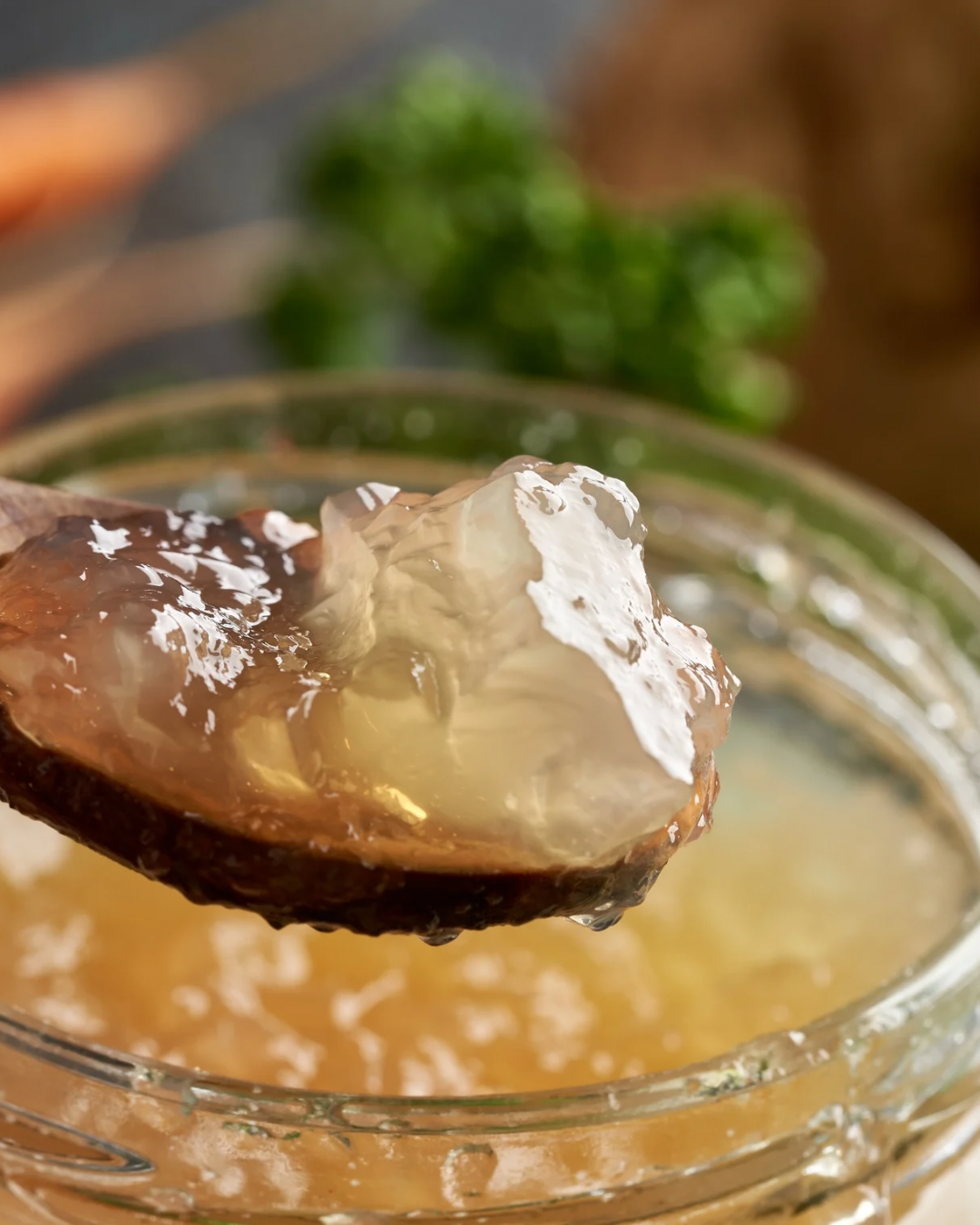
Broths, slow-cooked meats, leafy greens, and root vegetables provide replenishment.
Anti-inflammatory
Herbs, spices, colorful vegetables, and quality fats reduce oxidative stress.
Blood-sugar stabilizing
Balanced macronutrients prevent energy crashes that lead to late-day overeating.
Simple and repeatable
Complex recipes are unnecessary. Consistency matters more than novelty.
At Mountain Wellness Kitchen, our postpartum meal plan is designed around these physiological principles.
If you’re ready to remove the guesswork from healing after birth then view the complete postpartum meal plan here designed specifically for the 12 weeks postpartum.
The focus is not rapid weight loss. It is metabolic recovery and sustainable energy for mothers in the first twelve weeks after birth — when the body is still adapting.
Postpartum Nutrition and Natural Weight Normalization
A common concern is: If I eat enough, won’t I gain more weight?
In most cases, adequate nourishment does not promote fat gain during postpartum recovery. Instead, it supports:
Stable insulin response
Lower chronic cortisol
Improved sleep quality (when possible)
Reduced inflammatory water retention.
These factors collectively create a metabolic environment where the body can gradually return to its healthy baseline. The timeline varies for every woman. Comparing trajectories is counterproductive. The priority is internal repair.
Postpartum Nutrition FAQs
How soon should I start focusing on postpartum nutrition?
—Immediately. The first 24–48 hours after birth are critical for hydration, mineral replenishment, and protein intake.
Can I follow a postpartum meal plan while breastfeeding?
—Yes. In fact, breastfeeding increases caloric and nutrient demands. Structured meals help maintain supply and energy.
What about C-section recovery nutrition?
—Surgical birth increases protein and micronutrient requirements due to incision healing. Anti-inflammatory foods and iron-rich meals are especially important.
Will a postpartum meal plan help me lose baby weight naturally?
—When the body receives consistent nourishment, hormones and metabolism regulate more effectively. For many women, weight gradually normalizes without aggressive dieting.
Your Body Is a Healing Ecosystem
The postpartum period is not a cosmetic phase. It is a biological transition that influences long-term metabolic health, hormone balance, and resilience. Restriction sends a stress signal. Nourishment sends a safety signal. Choose meals that rebuild rather than deplete. Choose structure over chaos. Choose restoration over urgency.
If you are ready for guidance, the Mountain Wellness Kitchen Postpartum Meal Plan was created specifically to support recovery, hormone balance, breastfeeding, and steady energy — without dieting or deprivation. Because healing is not a luxury, it is foundational.