Meal Prep on a Budget: How to Eat Healthy Without Breaking the Bank
Meal Prep on a Budget: How to Eat Healthy Without Breaking the Bank
If you’ve walked through a grocery store lately, you’ve probably noticed that food prices continue to climb. It can feel discouraging to fill your cart with fresh, wholesome ingredients only to watch the total soar at checkout. Many people assume that eating healthy has become a luxury, but the truth is that good nutrition doesn’t have to come with a premium price tag.
The key isn’t necessarily spending less—it’s spending smarter. Meal prepping with nutrient-dense ingredients allows you to maximize every dollar while reducing waste, limiting impulse purchases, and making healthy eating far more convenient.
As nutrition educator Michael Pollan famously said:
“Eat food. Not too much. Mostly plants.”
Simple advice like this reminds us that healthy eating is often about returning to basics rather than buying the latest expensive health products.
Focus on Nutrient Density, Not Just Calories
When you’re working with a budget, every purchase should provide as much nutritional value as possible. Instead of comparing foods by price alone, think about what you’re getting in return.
For example, a bag of chips may seem inexpensive, but it offers very little protein, fiber, vitamins, or minerals. On the other hand, a dozen eggs, dried beans, oats, or frozen vegetables provide far more nutrition for a similar—or even lower—cost per serving.
Foods that are rich in protein, fiber, healthy fats, vitamins, and minerals keep you satisfied longer, which can also help reduce unnecessary snacking throughout the day.
Choose Affordable Protein Sources
Protein is often the most expensive part of a meal, but there are plenty of budget-friendly options that deliver excellent nutrition.
Some economical choices include:
Eggs
Dried beans and lentils
Canned tuna or salmon
Greek yogurt
Cottage cheese
Chicken thighs instead of chicken breasts
Ground turkey or lean ground beef purchased in family packs
Frozen fish when on sale
Buying larger quantities and freezing portions for later can significantly reduce your cost per meal. Slow-cooked stews, soups, chili, and casseroles also stretch proteins further by combining them with vegetables and legumes.
Shop Seasonal Produce
Fresh produce doesn’t have to be expensive if you buy what’s naturally in season.
Seasonal fruits and vegetables are often:
Less expensive
Fresher
More flavorful
Higher quality
Visit local farmers’ markets or grocery store sales to see what’s abundant each season. During winter, root vegetables and cabbage are typically inexpensive. Summer brings affordable tomatoes, zucchini, cucumbers, berries, and peppers.
Don’t overlook frozen produce either. Fruits and vegetables are often frozen shortly after harvest, preserving much of their nutritional value while offering a lower price and longer shelf life.
Reduce Food Waste
One of the fastest ways to waste money is allowing food to spoil before it’s used.
Meal prepping helps prevent this by giving every ingredient a purpose before you even leave the grocery store.
A few simple habits make a big difference:
Plan meals before shopping.
Make a grocery list and stick to it.
Store produce properly.
Freeze leftovers before they spoil.
Use ingredients in multiple recipes throughout the week.
For example, roasted chicken can become dinner one night, salad topping the next day, and soup later in the week. Leftover vegetables can easily be added to omelets, stir-fries, soups, or grain bowls.
Using ingredients intentionally saves both time and money.
Cook Once, Eat Several Times
One of the greatest benefits of meal prep is efficiency.
Preparing several meals at once means fewer takeout temptations, fewer last-minute grocery trips, and less food waste.
Batch cooking also allows you to take advantage of sales. When ground beef or chicken goes on sale, cook several pounds at once and portion them into freezer-friendly containers.
Having healthy meals ready to go makes it much easier to stay on track—even during busy weeks.
Build Simple Meals
Healthy meals don’t have to be complicated.
Many balanced meals follow a simple formula:
A quality protein
Plenty of vegetables
A fiber-rich carbohydrate such as potatoes, rice, beans, or sweet potatoes
Healthy fats from olive oil, avocado, seeds, or nuts (when appropriate)
Repeating ingredients throughout the week actually saves money because you’re buying larger quantities of fewer items while reducing waste.
There’s no need for dozens of specialty ingredients to eat well.
Convenience Can Still Fit Your Budget
While preparing meals at home is often the most economical option, there are seasons of life when convenience is worth investing in. Busy work schedules, caring for family, or recovering from illness can make meal prep feel overwhelming.
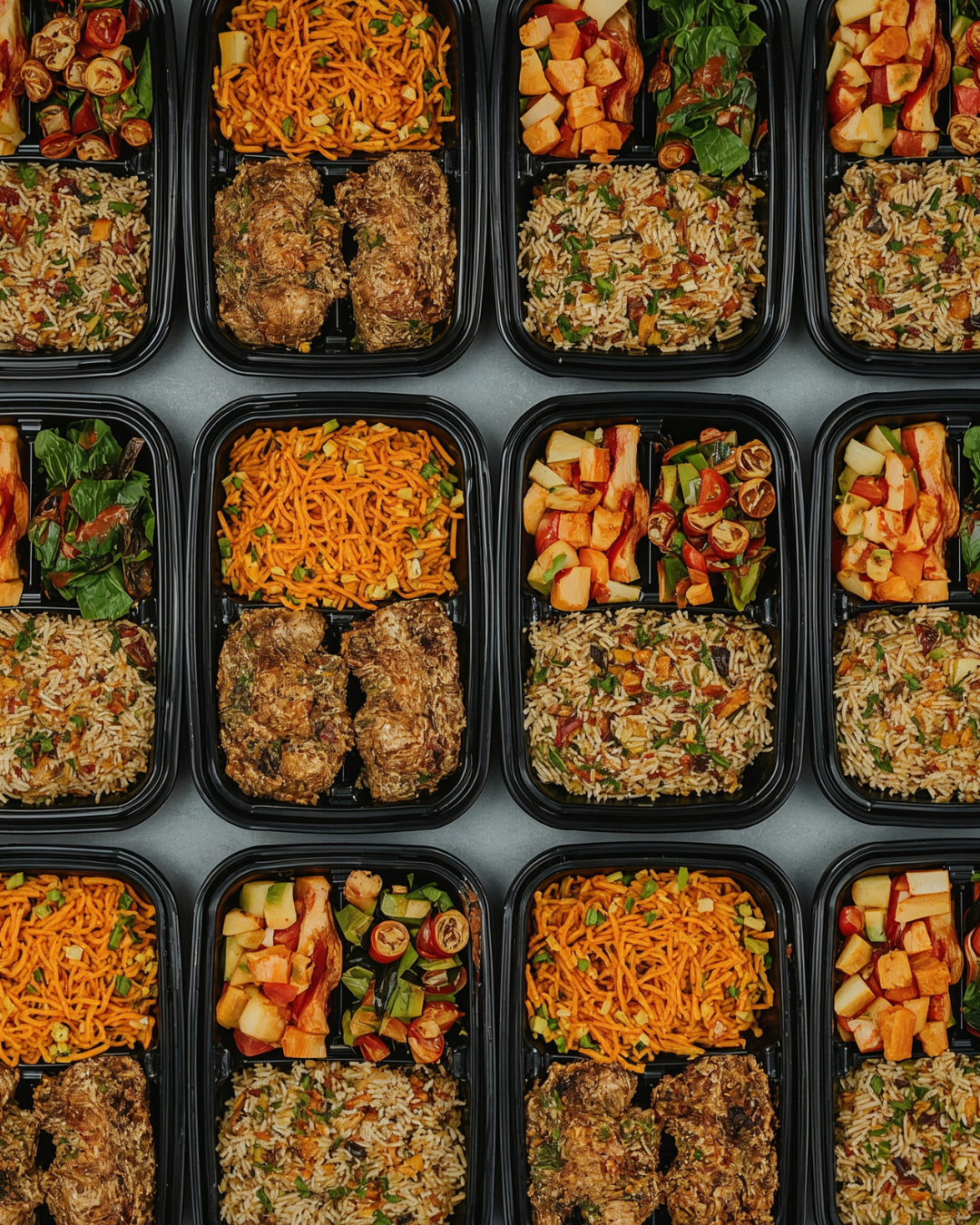
Choosing professionally prepared meals made with wholesome ingredients can still support both your health and your budget by reducing food waste, eliminating restaurant spending, and helping you avoid expensive last-minute takeout.
👉 Looking for healthy meals without the hassle? Explore Mountain Wellness Kitchen’s meal prep options here: [Insert Meal Prep Ordering Link]
Healthy Eating Doesn’t Have to Cost More
Eating well isn’t about buying the trendiest superfoods or filling your pantry with expensive supplements. It’s about choosing nourishing, versatile ingredients and using them wisely.
With thoughtful planning, seasonal shopping, smart protein choices, and a little meal prep, you can build satisfying meals that support your health while keeping your grocery budget under control.
Healthy eating isn’t reserved for those with unlimited grocery budgets. With a plan and a few practical strategies, it’s something that can fit almost every household.